
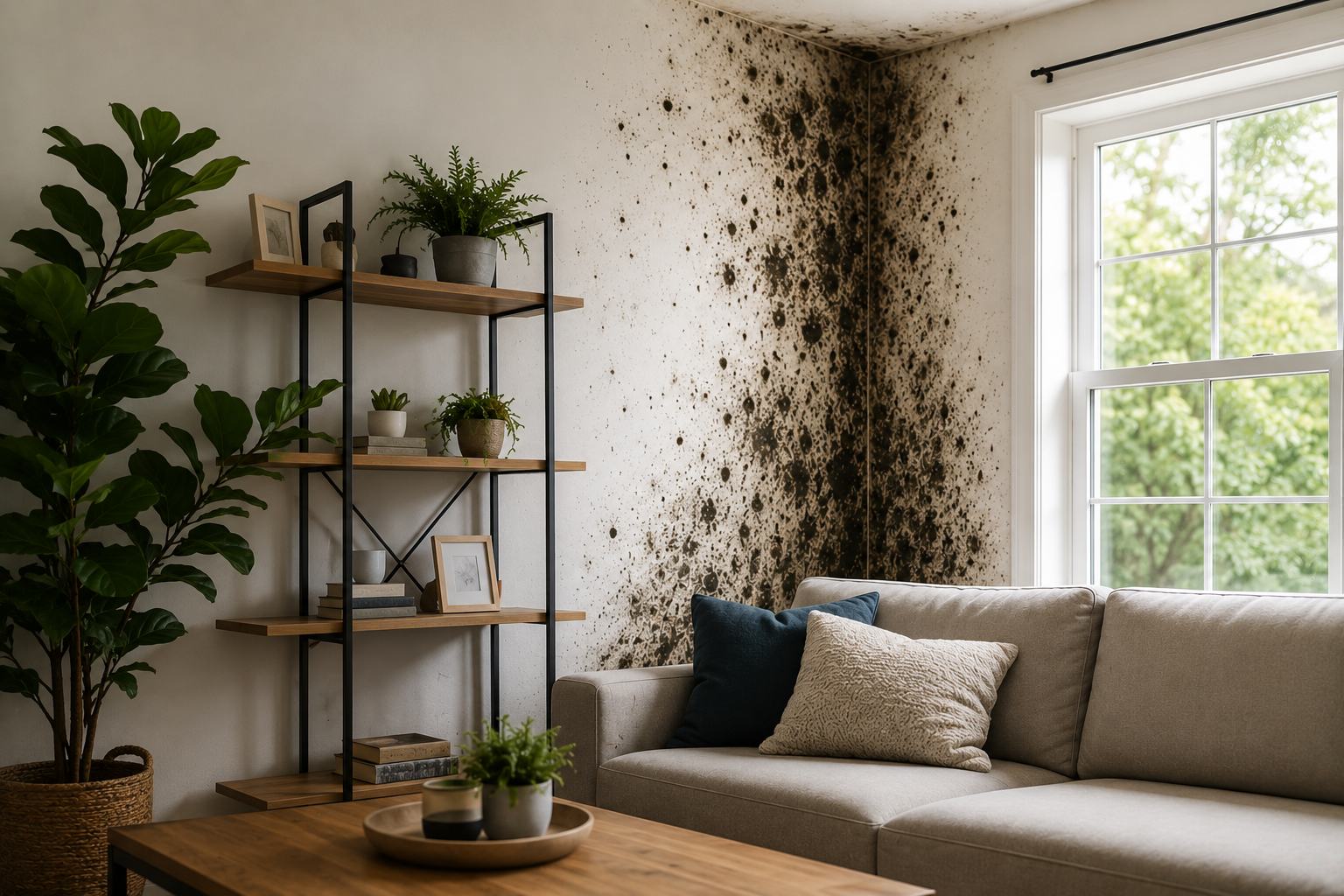
Mold in House: Causes, Risks, and How to Prevent It
Mold inside a home is more common than many people realize. In fact, thousands of homeowners across California discover hidden mold growth every year after water leaks, humidity problems, roof damage, or poor ventilation issues.
While small mold problems may seem harmless at first, mold can quickly spread through walls, ceilings, flooring, HVAC systems, and crawlspaces if moisture is not properly addressed.
At JMB Environmental Services, we help homeowners, property managers, contractors, and businesses throughout Southern California identify mold problems early through professional mold inspections, indoor air quality testing, and environmental testing services.
What Causes Mold in a House?
Mold needs three things to grow:
- Moisture
- Organic material
- Poor airflow
Homes naturally contain organic materials like drywall, wood, carpet, insulation, and dust — meaning once moisture enters the environment, mold can begin developing within 24–48 hours.
Common Causes of Mold in Homes
Water Leaks
One of the most common causes of mold growth is hidden water leaks from:
- Pipes
- Toilets
- Water heaters
- Refrigerators
- Washing machines
- Roof leaks
Even small leaks behind walls can create enough moisture for mold growth.
High Humidity
Humidity levels above 60% may increase the risk of mold growth, especially in:
- Bathrooms
- Laundry rooms
- Kitchens
- Closets
- Crawlspaces
Poor ventilation traps moisture indoors and creates ideal mold conditions.
Flooding and Water Damage
Flooding from storms, plumbing failures, or appliance leaks often leads to hidden moisture inside walls and flooring.
If materials are not dried properly and quickly, mold contamination can develop rapidly.
Poor Ventilation
Homes with poor airflow often experience excess moisture buildup.
This commonly happens in:
- Bathrooms without exhaust fans
- Attics
- HVAC systems
- Older homes
- Sealed energy-efficient buildings
Signs You May Have Mold in Your House
Mold is not always visible. Some warning signs include:
Musty Odors
A strong damp or earthy smell is one of the most common signs of hidden mold growth.
Visible Discoloration
Mold may appear as:
- Black spots
- Green staining
- Brown patches
- White fuzzy growth
Water Stains
Ceiling stains, bubbling paint, warped flooring, or peeling drywall may indicate moisture problems behind surfaces.
Allergy-Like Symptoms
Some people experience:
- Sneezing
- Coughing
- Congestion
- Headaches
- Watery eyes
- Skin irritation
Poor indoor air quality caused by mold spores may contribute to discomfort indoors.
HVAC Odors
If your air conditioning system smells musty when running, mold may be present inside ducts or HVAC components.
Health Risks Associated With Mold
Different people react differently to mold exposure. Individuals with allergies, asthma, respiratory conditions, weakened immune systems, children, and older adults may be more sensitive to mold-contaminated environments.
Potential health concerns associated with mold exposure may include:
- Respiratory irritation
- Asthma flare-ups
- Allergy symptoms
- Sinus irritation
- Eye irritation
- Indoor air quality concerns
How to Prevent Mold in Your Home
Preventing mold starts with controlling moisture.
Fix Water Leaks Immediately
Do not ignore:
- Roof leaks
- Pipe leaks
- Appliance leaks
- Window leaks
Small leaks can turn into expensive mold problems over time.
Reduce Indoor Humidity
Use:
- Exhaust fans
- Dehumidifiers
- Proper ventilation
- Air conditioning systems
Try to keep humidity levels below 50–60%.
Dry Water Damage Quickly
After flooding or leaks:
- Remove standing water
- Dry affected materials immediately
- Inspect hidden areas for moisture
The longer materials remain wet, the higher the risk of mold growth.
Improve Ventilation
Increase airflow in:
- Bathrooms
- Kitchens
- Laundry rooms
- Attics
- Crawlspaces
Proper ventilation helps reduce trapped moisture.
Schedule Professional Mold Inspections
If you suspect hidden mold, professional testing can help identify:
- Mold presence
- Airborne mold spores
- Moisture issues
- Indoor air quality concerns
Why Professional Mold Testing Matters
DIY mold kits often provide inaccurate or misleading results.
Professional mold testing provides laboratory-backed analysis to determine:
- Whether mold is present
- What type of mold may exist
- Whether airborne spore levels are elevated
- The extent of contamination
At JMB Environmental Services, we provide:
- Mold inspections
- Air sampling
- Surface sampling
- Moisture mapping
- Indoor air quality testing
- Same-day appointments
- Fast lab results
Serving Southern California
We proudly provide mold testing and environmental inspections throughout:
- San Diego
- Los Angeles
- Riverside
- Orange
- Inland Empire
- Orange County
- Surrounding Southern California areas
Why Choose JMB Environmental Services?
Southern California homeowners and contractors choose us because we offer:
- Same-day mold testing available
- Fast turnaround times
- Honest, conflict-free inspections
- Residential & commercial services
- Experienced environmental professionals
- Flexible scheduling
- Indoor air quality expertise
Protect Your Home and Indoor Air Quality
Mold problems often begin hidden behind walls or under flooring long before visible damage appears. Identifying moisture issues early can help prevent expensive repairs and improve indoor air quality inside your home or business.
If you suspect mold in your property, contact JMB Environmental Services today to schedule professional mold testing in Southern California.
Follow us on Instagram for environmental education, testing tips, and project updates:
@jmbenvironmental on Instagram
If you found this article helpful, we would greatly appreciate your support by leaving us a review on Yelp:
